
Confessions of an NYC Broker: The Lockbox Strategy That Wasn't Supposed to Work
On Breaking Unwritten Rules in Real Estate

I have another confession to make: I’ve been deeply, truly jealous of suburban real estate agents.
If you don’t live in New York, you know what I’m talking about. These agents secure a listing, hang a lockbox on the front door of a single family house—and may never look at the property again until closing. Meanwhile, in New York City, we agents are bound by an unwritten law of mandatory attendance. We show up to every single showing. If we can’t make it, we either have team members there in our stead, or we pay a “show-er”—usually an eager young licensed agent—to open the door. There are even app-based gig services now dedicated entirely to finding vetted agents to babysit NYC listings for an hour.
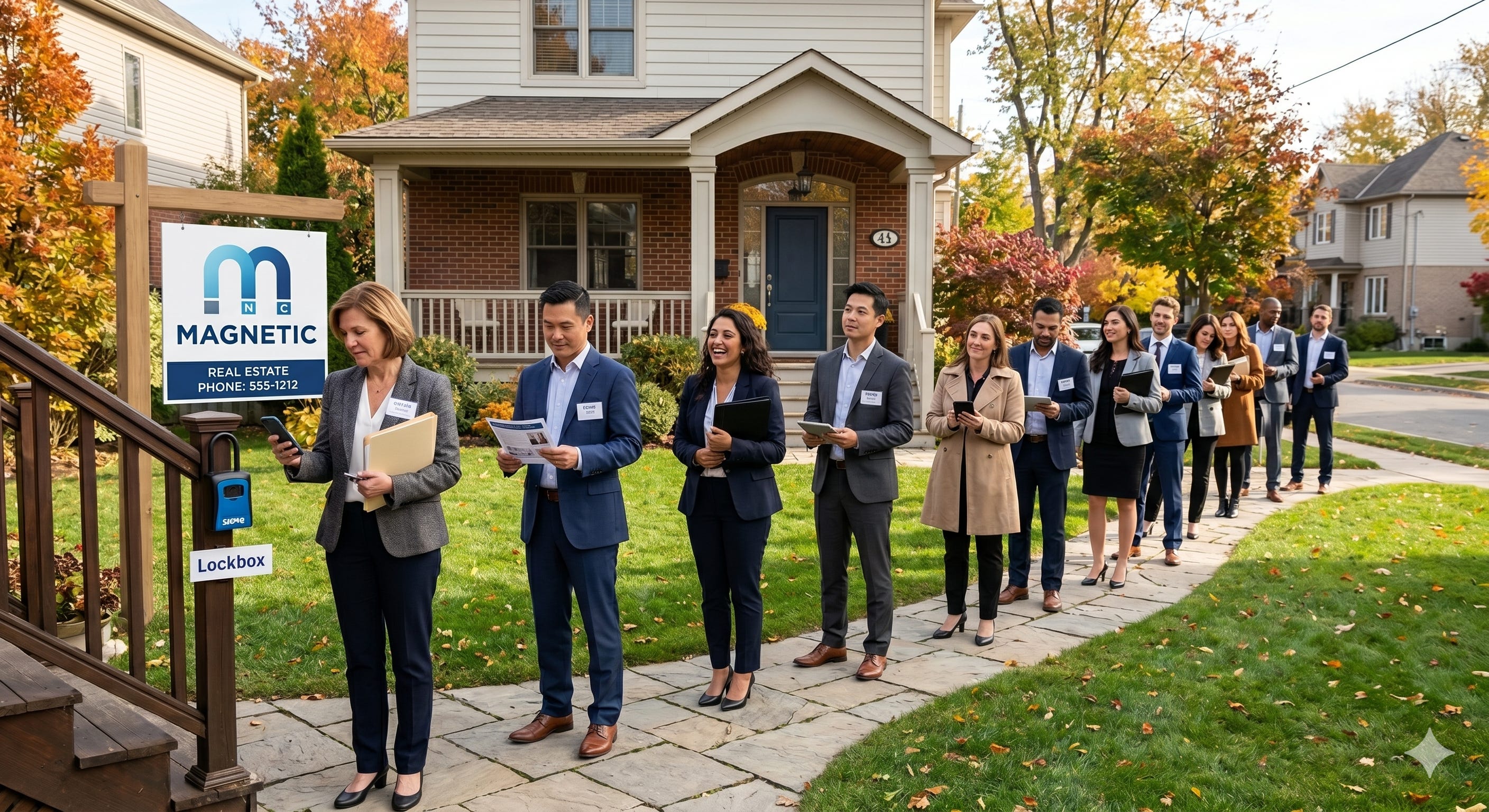
But a lockbox? Absolutely not.
In a moment where I seem a little obsessed with security—I just wrote a piece about my e-scooter getting jacked from in front of my office on Madison Avenue (!)—it’s time to lean into where New York City real estate veers off from everywhere else.
Why no lockboxes in most residential transactions here? Part of it is the sheer volume of humanity. New York is full of people who would love nothing more than to swipe your scooter, let alone your $3 million apartment. You’d think a multi-million-dollar price tag would command a higher level of trust, but in Manhattan, the trust barriers scale right along with the price.
The result is a total inversion of how the rest of America buys real estate. In the suburbs, listing agents rarely meet the buyers. In NYC, listing agents routinely host buyers who showed up to an open house without their own representation. It’s a bizarre dynamic. When a buyer tours a property alone, their own agent can’t gauge their emotional reaction in real-time. I can’t tell you how many times I’ve had to download a buyer’s feelings over the phone after the fact. But I’m not sure many agents even do that. I can imagine it leaves many buyers feeling, well, unrepresented.
There is one particularly Manhattan-y situation, though, that allows itself to resemble the lockbox used so gleefully elsewhere. It’s this scenario: when an agent has the ability to give permission to a buyer agent to get keys from the doorman.
When I was just starting out in real estate, we would rejoice when we saw the initials “KWDM,” short for “Keys With Doorman” on the listing details. That meant we could avoid having to either pick up keys from an office, or having to actually schedule a showing with another human. Efficiency in the rental market trumps everything. We often only showed rental buildings where keys were easily obtained. Want to make it hard to show your property? Okay. We just won’t show it. That’s the rental market for you.
All that said, however, on the sales side the keys usually stay with the doorman, and aren’t given out unless the seller representatives are there.
Frankly, it had always seemed strange that a seller agent didn’t make themselves available to do the song and dance instead of handing out the keys to a stranger. Perhaps I was a trusted partner. Perhaps they didn’t do this for everyone.
Was I still needlessly judgmental? Probably. Was I being irrational? Certainly. Not every apartment needs to be sold. Not every building needs to be given the Vanna White treatment, either. Sometimes, the most important thing you can do is make sure the door is unlocked.
However, for structural reasons, then, I’ve continued to keep showing up for the past two decades.. Until my recent listing downtown gave me a chance to be a suburban agent, that is.
The Loophole
We had just accepted an all-cash offer on a straightforward one-bedroom condominium listing of mine, and the contracts were out for signature. At this stage in a New York deal, you keep showing the property, because until those buyers and sellers sign on the dotted line, anything can happen. The due diligence period remains a volatile time. And indeed, anything does happen. You only need to peek into my book for a story on almost every page of how things do go sideways.
However, any pressure to be a high-energy salesperson still dissipates to a degree. And the closer the deal is to the asking price, the more that pressure subsides. Showings become more of a safety net.
What goes on in an agent’s mind? That any time commuting and waiting around for a showing at this point can start to feel like you’re a human keyholder. Showing for backup can feel like a colossal waste of time.
In the case of this deal, however, I noticed a beautiful, glorious security breach.
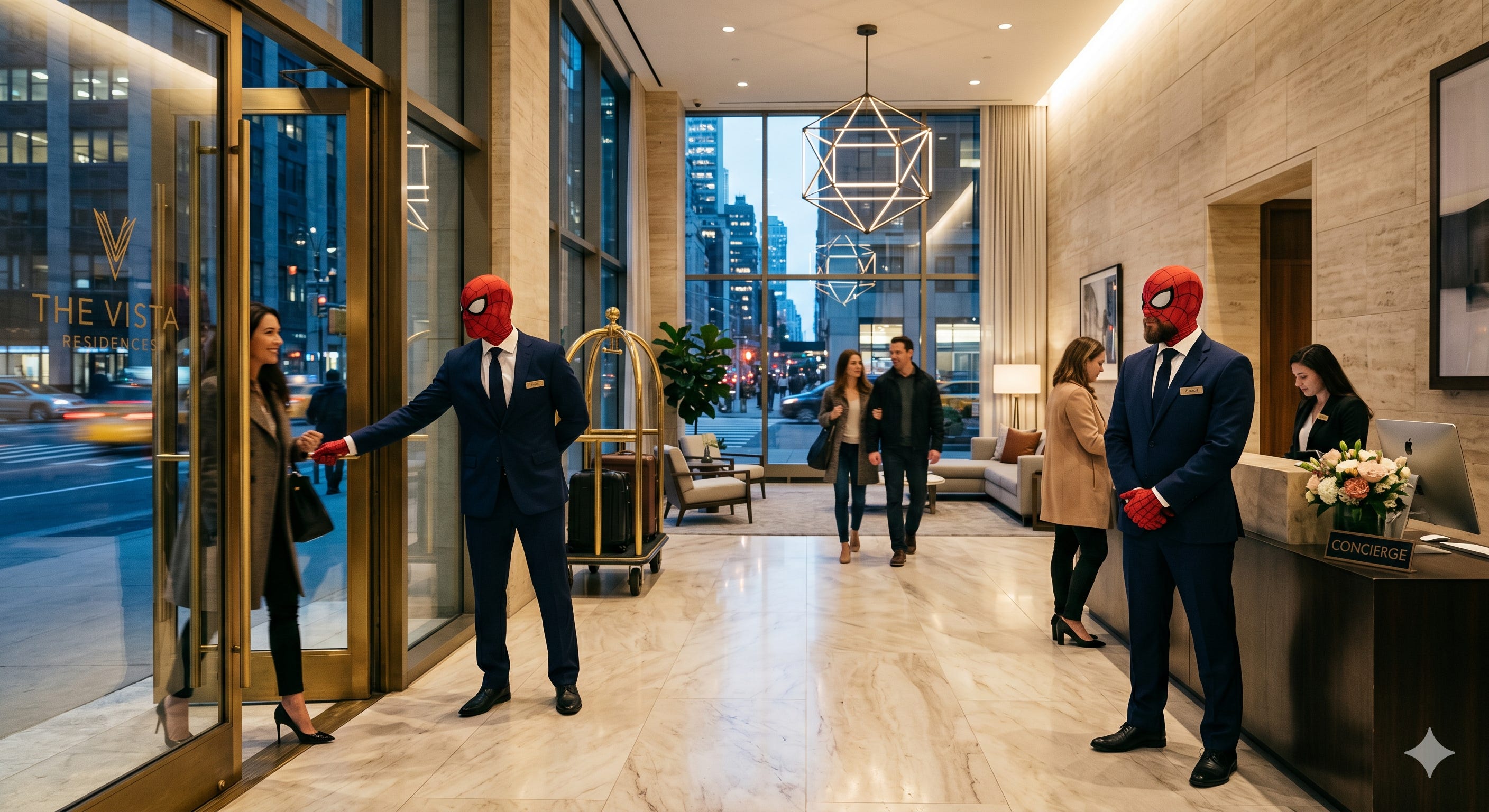
The building was a massive luxury condominium with hundreds of units. I realized that if you looked remotely trustworthy, you could breeze right past the concierge desk. Maybe the doormen had a Spidey-sense for people who didn’t belong, but when a polished real estate agent walked in with clients in tow? They knew the drill. They weren’t about to cross-examine every agent entering a 400-unit building.
To add to the perfect storm, this was a condo, which meant we were attracting mostly out-of-town investors looking to tour 15 properties in a weekend. They didn’t want a grand production; they wanted to get in and get out.
I decided to take a shot. I bought a lockbox.
The $50,000 Heist
I cannot tell you how exhilarating—and deeply wrong—it felt to text another Manhattan agent a lockbox code. I felt like I was pulling off a heist in broad daylight. Instead of losing an hour and a half to transit and small talk, I was coordinating a showing from the comfort of my own desk. I was living the suburban dream.
And our little one-bedroom apartment had its moment in the sun. For some reason, we started to get a flood of inquiries. The market picked up a little, and there is almost no way we could have handled the volume of showings without our accidental foray into agenting like the rest the country.
Did I feel a little guilty? Sure. The property was already in contract-negotiation, so I justified it as mere operational maintenance.
But then, the unexpected happened.
One of those lockbox-facilitated backup buyers fell in love with the place. They submitted a higher offer. Because we had a live, aggressive backup bid, the original buyer—the one holding the contracts—agreed to bump up their price to secure the deal.
My lazy lockbox strategy just earned my seller an extra $50,000.
Will I ever get away with this again? Probably not. Unless you’re marketing a vacant townhouse, lockboxes simply aren’t part of the NYC vernacular. But for one fleeting week, I beat the system—and my client won big because of it.
About the Author
When he is not hunting for his scooter thief, sleeping through historic 29-point comebacks, or imagining premium condo lobbies guarded by web-slinging doormen, Scott Harris is busy helping people navigate the wildest transitions of their lives.
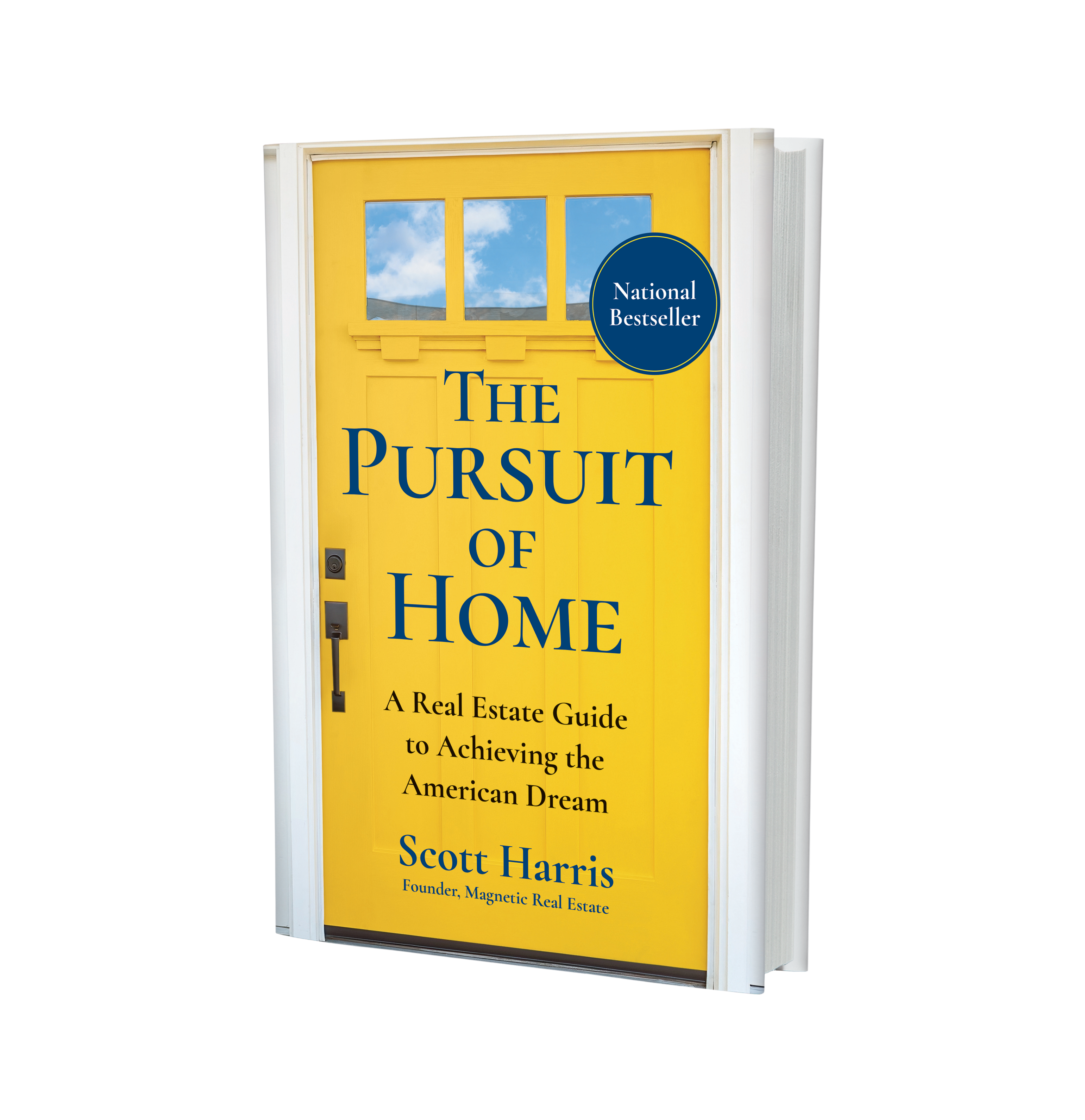
He is the founder of Magnetic Real Estate—where he pulls in clients with a mix of sharp strategy and unmatched energy—and the author of the real estate guide, The Pursuit of Home. Over a twenty-year career closing more than a billion dollars in residential sales, Scott has operated as equal parts strategic advisor, business coach, and property therapist (which comes in handy when the line of agents waiting for the lockbox stretches all the way down the block).
He lives in New York City with his family, where he remains a card-carrying believer in real estate miracles.